
Why Every Florida Home Needs Flood Protection Now
Flooding is the most common and costly natural disaster in the U.S., and Florida’s unique geography makes it especially vulnerable. From hurricane storm surges to sudden downpours, the risk is real and widespread. The financial impact is staggering: just one inch of water can cause $25,000 in damage to your home.
Many homeowners mistakenly believe they’re safe if they don’t live near the coast, but more than 25% of flood insurance claims come from properties outside high-risk flood zones. The good news is that you can take proactive steps to protect home from flood damage.
Key steps include:
- Know your risk: Check FEMA flood maps.
- Get insured: Standard home insurance doesn’t cover floods.
- Mitigate: Lift utilities, improve drainage, and seal entry points.
- Prepare: Have an emergency plan and a go-kit.
I’m William Kane II, a licensed Florida insurance broker with Forever Florida Insurance. I’ve helped hundreds of homeowners find the right flood protection from over 30 carriers. Let’s secure your biggest investment.
Find more about protect home from flood:
- does flood zone ae require flood insurance in florida
- elevated home flood insurance
- mobile home flood insurance
Understanding Your Flood Risk
Before you can effectively protect home from flood damage, you must understand Florida’s unique risks. It’s not just about living near the coast.
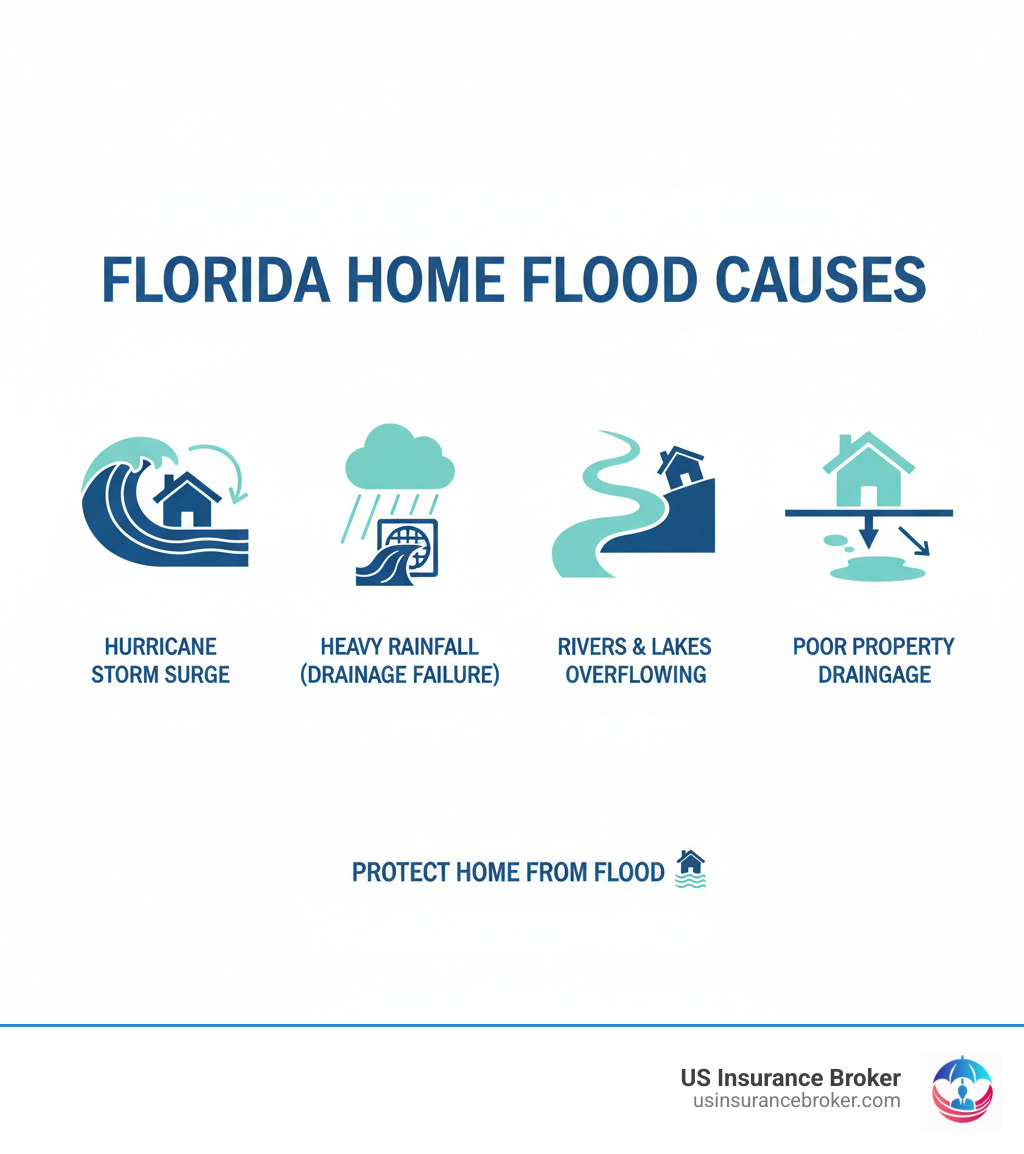
What Causes Florida Flooding?
- Hurricanes and Tropical Storms: These bring a dual threat of storm surge (a wall of ocean water pushed inland) and torrential rainfall that overwhelms drainage systems, even miles from the coast.
- Heavy Rainfall: Florida’s signature afternoon thunderstorms can drop inches of rain in under an hour, causing flash flooding in any neighborhood, especially in urban areas with lots of concrete and asphalt.
- River and Lake Overflow: During extended rainy periods, waterways like the Hillsborough River can overflow their banks.
- Poor Drainage: Clogged storm drains and inadequate property grading can cause water to pool and enter your home.
Decoding Your Flood Zone
FEMA maps categorize areas by flood risk. Knowing your zone is crucial.
- High-Risk Zones (A, AE, V): These areas have a 1-in-4 chance of flooding during a 30-year mortgage. If you have a federally backed mortgage, flood insurance is mandatory. Learn more about Flood Zone AE requirements in Florida.
- Moderate-to-Low Risk Zones (B, C, X): Don’t get complacent. Over 25% of flood claims come from these “safer” areas. Water doesn’t follow lines on a map.
What is Base Flood Elevation (BFE)?
BFE is the height floodwaters are expected to reach in a 1% annual chance flood event (a “100-year flood”). This number is critical for mitigation efforts, as it tells you how high to lift utilities and other home components.
Find Out Where You Stand
Don’t guess your risk. Use FEMA’s flood maps to check your address. It takes two minutes and provides the facts you need to protect your home. The National Flood Insurance Program (NFIP) provides this data, which is the foundation of any solid flood protection strategy.
Fortifying Your Home: Long-Term Mitigation Strategies
Proactive mitigation is the most effective way to protect home from flood damage. For every $1 spent on mitigation, you can save an average of $6 in future losses. These long-term strategies fortify your home against Florida’s weather.
Exterior Defenses
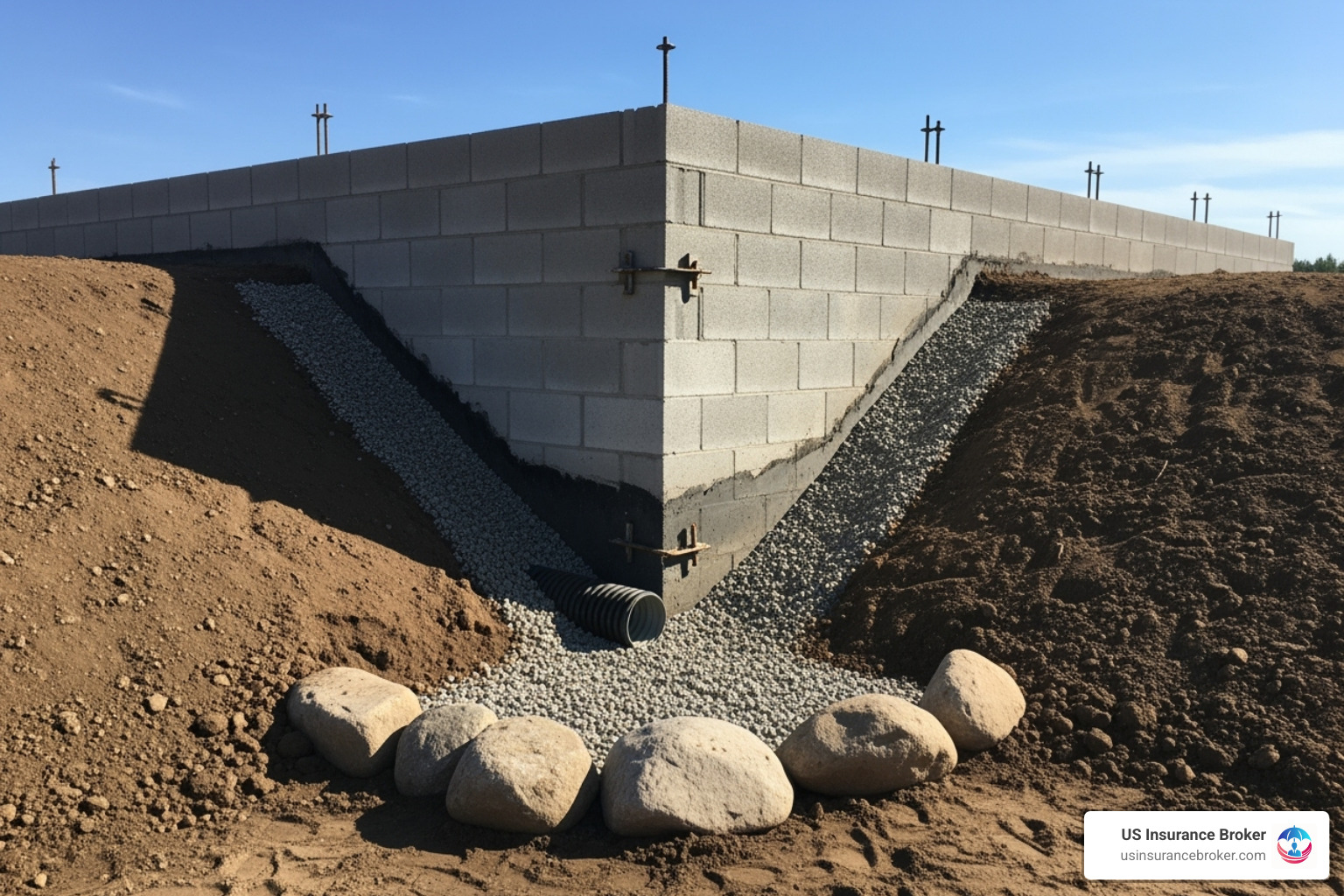
- Landscaping and Grading: Ensure your yard slopes away from your foundation. Fill in low spots and consider adding a rain garden to absorb runoff. Replace concrete with permeable pavers to allow water to soak into the ground.
- Gutters and Downspouts: Clean gutters twice a year. Use downspout extenders to direct water at least 6 feet away from your foundation.
- Seal Your Foundation: Inspect for and seal any cracks in your foundation with masonry caulk or hydraulic cement. Apply sealant around basement windows and ground-level doors.
Interior and System Upgrades
- Lift Utilities: Raise your HVAC unit, water heater, and electrical panel at least one foot above your home’s Base Flood Elevation (BFE).
- Install a Sump Pump: If you have a basement or crawl space, a sump pump is essential. A battery-operated backup is crucial for power outages.
- Install Backwater Valves: These prevent sewer water from backing up into your home during heavy rains.
- Use Flood Vents: In enclosed areas below the BFE (like garages), flood vents allow water to flow through, equalizing pressure and preventing structural collapse. This can also lower insurance premiums.
Flood-Resistant Materials
When renovating, choose materials that can withstand water. For floors, use ceramic tile, vinyl, or sealed concrete instead of carpet. For walls in flood-prone areas, use water-resistant drywall and closed-cell foam insulation.
Essential flood-resistant building materials for basements and ground floors:
- Ceramic or Porcelain Tile
- Vinyl or Luxury Vinyl Plank (LVP) Flooring
- Concrete Flooring (sealed or stained)
- Water-Resistant Drywall (fiberglass-faced gypsum)
- Closed-Cell Foam Insulation
- Pressure-Treated Wood for framing
- Steel or Fiberglass Exterior Doors
- Waterproof Sealants and Coatings
For more ideas, see FEMA’s brochure on protecting your home from flooding. Major projects like elevating your home have specific insurance considerations; learn more about elevated home insurance.
How to Protect Your Home from Flood Damage: A 3-Step Emergency Plan
Even with a fortified home, an emergency plan is crucial for safety when a flood is imminent. A clear plan helps you act decisively.
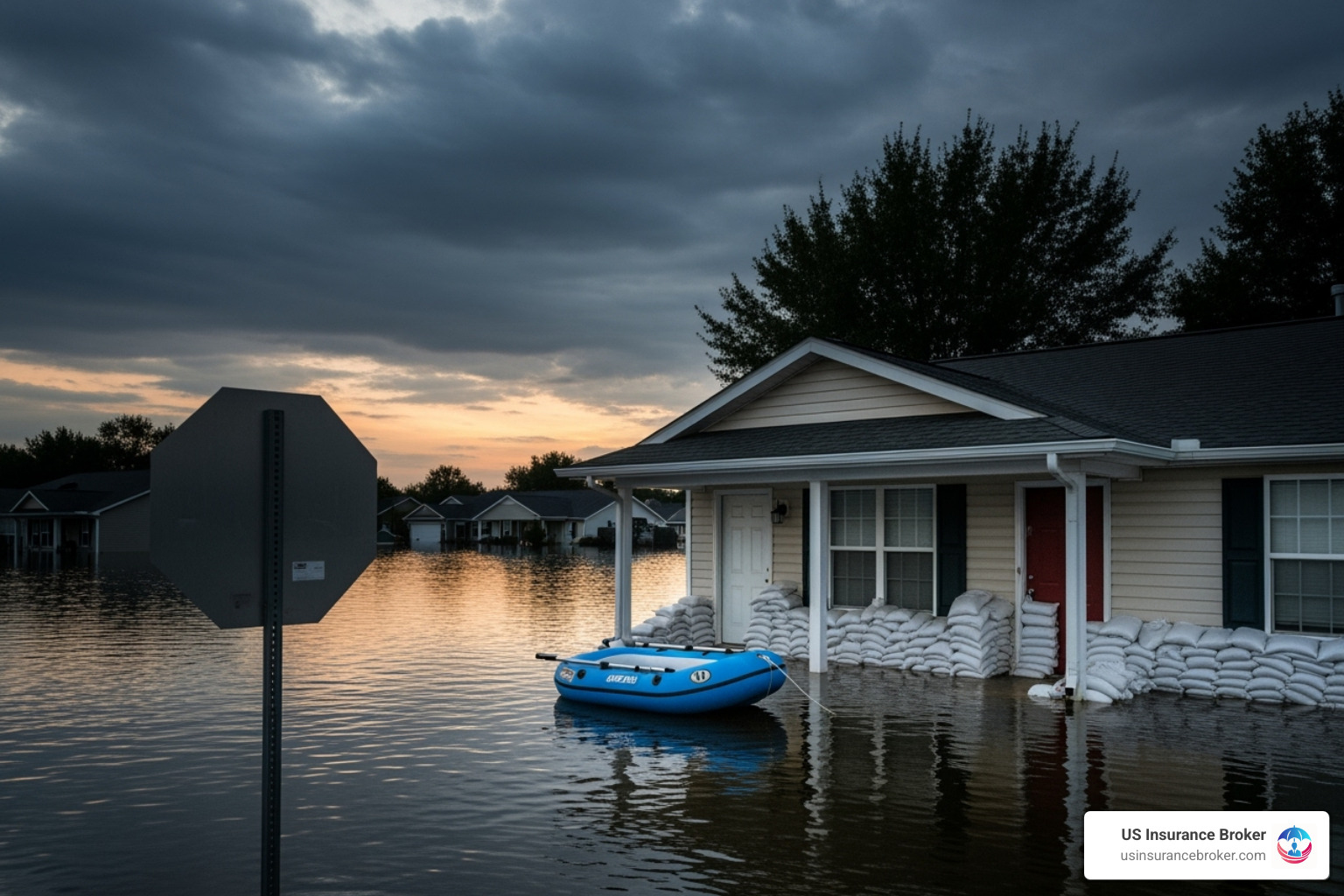
Before the Flood: Preparation is Key
- Create a Family Emergency Plan: Establish communication methods (like an out-of-state contact), map out multiple evacuation routes, and designate meeting points. Don’t forget a plan for your pets. Use free templates from Ready.gov.
- Build a Go-Kit: Prepare a kit with at least 72 hours of supplies for each family member. Include water, non-perishable food, a first-aid kit, medications, a flashlight, a battery-powered radio, and cash. Keep a kit at home and in your car.
- Document Valuables & Documents: Take photos and videos of your home and belongings for insurance purposes. Store digital copies in the cloud. Keep important documents (deeds, insurance policies, birth certificates) in a waterproof, fireproof container.
- Review Your Insurance: Contact your agent to understand your flood coverage. There’s typically a 30-day waiting period for new policies.
During the Flood: How to protect your home from flood damage and stay safe
- Follow Evacuation Orders: When authorities say to leave, go immediately. If time permits, secure outdoor items and turn off utilities if instructed.
- Avoid Floodwaters: Never walk or drive through flooded areas. Just six inches of moving water can knock you down, and two feet can sweep a vehicle away. The water can hide dangers like washed-out roads and downed power lines.
- Stay Informed: Monitor official sources like the National Weather Service and local emergency management for updates. Review the CDC’s tips for staying safe during a flood.
After the Flood: Recovery and Restoration
- Return Safely: Only go home when authorities say it’s safe. Be cautious of structural damage, and assume all downed power lines are live.
- Document Damage: Before cleaning, take extensive photos and videos of all damage for your insurance claim.
- Contact Your Insurer: Report the damage to your insurance agent immediately to start the claims process.
- Prevent Mold: Begin drying out your home as soon as possible. Remove wet items like carpets and drywall within 24-48 hours to prevent mold growth, which poses serious health risks.
The Financial Safety Net: Why Flood Insurance is Non-Negotiable
Here’s a critical fact every Florida homeowner needs to know: your standard homeowners insurance policy does not cover flood damage. This common misconception can lead to financial ruin. Flooding from storm surge, heavy rain, or overflowing rivers is an excluded peril in standard policies.
Understanding Flood Insurance Options
- National Flood Insurance Program (NFIP): This federal program, managed by FEMA, offers coverage in participating communities. It provides up to $250,000 for your home’s structure (building coverage) and up to $100,000 for your personal belongings (contents coverage).
- Private Flood Insurance: Many private companies now offer flood insurance, which can provide higher coverage limits and more flexibility than the NFIP. At Forever Florida Insurance, we work with over 30 carriers to compare both NFIP and private options to find the best fit for you.
Key Things to Know
- 30-Day Waiting Period: Most flood insurance policies have a 30-day waiting period before they take effect. You can’t buy coverage the day before a hurricane and be protected. Plan ahead!
- Risk is Everywhere: Over 25% of flood claims come from properties outside of high-risk zones. Low-risk doesn’t mean no-risk. Federal disaster assistance is typically a loan that must be repaid, while insurance is a payout.
- Mitigation Lowers Premiums: Taking steps to fortify your home, like installing flood vents or elevating utilities, can often lead to lower insurance premiums. Protecting your home physically can also protect you financially.
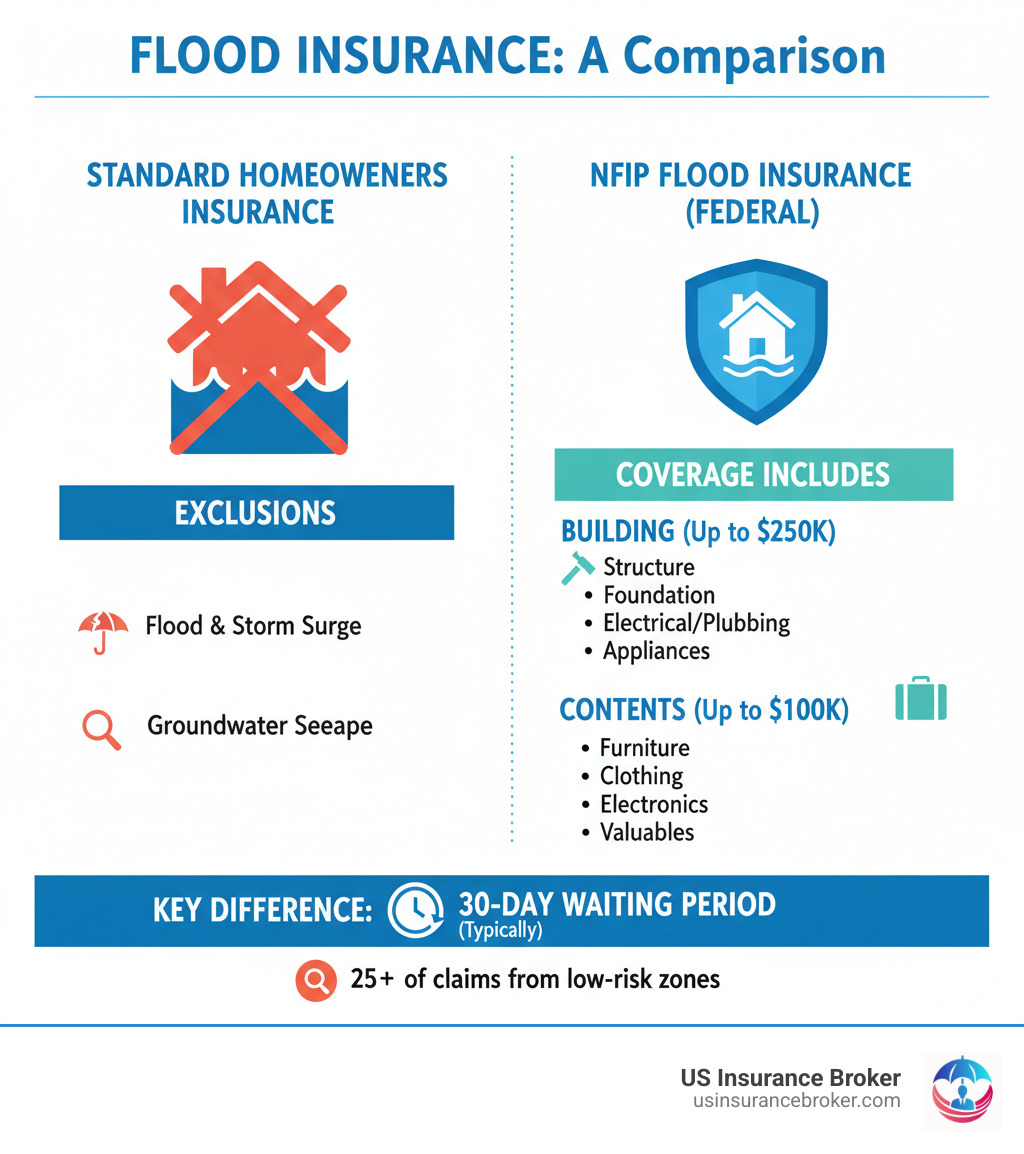
| Feature | Standard Homeowners Insurance | NFIP Flood Insurance |
|---|---|---|
| Covers External Flooding | No | Yes |
| Building Coverage Limit | Varies (typically $250K+) | Up to $250,000 |
| Contents Coverage Limit | Varies | Up to $100,000 |
| Storm Surge Coverage | No | Yes |
| Heavy Rainfall Flooding | No | Yes |
| River/Lake Overflow | No | Yes |
| Waiting Period | None | 30 days (typically) |
| Required in High-Risk Zones | No | Yes (with mortgage) |
The bottom line? Flood insurance isn’t optional—it’s essential protection for your biggest investment. For specific information on mobile homes, see our Mobile Home Flood Insurance Guide.
Don’t wait. Learn more about your Flood Insurance options today and let’s make sure you’re properly protected.
Understanding Your Flood Risk
To protect home from flood damage, you must first understand your specific risk. In Florida, flooding is caused by more than just coastal storms. Key threats include:
- Hurricane Storm Surge: Ocean water pushed inland by strong winds.
- Heavy Rainfall: Intense downpours from tropical systems or daily thunderstorms that overwhelm drainage.
- River and Lake Overflow: Waterways exceeding their banks after prolonged rain.
- Poor Local Drainage: Urban development and clogged storm drains prevent water from soaking into the ground.
FEMA maps categorize properties into flood zones (e.g., A, V, X) based on risk. High-risk zones (A, V) often require mandatory flood insurance for mortgages. However, over a quarter of all flood claims occur in moderate-to-low risk zones. It’s crucial to know your Base Flood Elevation (BFE)—the projected height of a major flood—to guide mitigation efforts. You can check your address on FEMA’s flood maps to determine your specific risk profile. For more details on specific zones, see our guide on Flood Zone AE requirements in Florida.
Fortifying Your Home: Long-Term Mitigation Strategies
Investing in long-term mitigation is a cost-effective way to protect home from flood damage, with studies showing an average return of $6 for every $1 spent. Key strategies include:
- Exterior Improvements: Ensure your yard is graded to slope away from your foundation. Keep gutters and downspouts clear, extending downspouts at least 6 feet from the house. Seal any cracks in your foundation.
- System Upgrades: Lift critical utilities like your HVAC system, water heater, and electrical panel above the Base Flood Elevation (BFE). Install a sump pump with a battery backup in basements or crawl spaces. Consider backwater valves to prevent sewer backups.
- Structural Protections: Install flood vents in enclosed areas below the BFE to equalize water pressure and prevent foundation damage. When renovating, use flood-resistant materials like ceramic tile, water-resistant drywall, and closed-cell foam insulation.
These improvements not only protect your property but can also lower your flood insurance premiums. For more ideas, consult FEMA’s brochure on protecting your home or learn about insurance for elevated homes.
Essential flood-resistant building materials for basements and ground floors:
- Ceramic or Porcelain Tile
- Vinyl or Luxury Vinyl Plank (LVP) Flooring
- Concrete Flooring (sealed or stained)
- Water-Resistant Drywall (e.g., fiberglass-faced gypsum)
- Closed-Cell Foam Insulation
- Pressure-Treated Wood for framing (where applicable)
- Steel or Fiberglass Exterior Doors
- Waterproof Sealants and Coatings
How to Protect Your Home from Flood Damage: A 3-Step Emergency Plan
When a flood is imminent, a clear plan is your best defense. Follow these three steps to protect home from flood damage and ensure your family’s safety.
Before the Flood: Preparation is Key
- Create an Emergency Plan: Define communication methods, evacuation routes, and meeting points for your family. Use templates from Ready.gov.
- Build a Go-Kit: Stock a portable kit with essentials like water, food, medications, a flashlight, and a radio for at least 72 hours.
- Secure Documents & Valuables: Photograph your belongings for insurance claims and store important papers in a waterproof container.
- Review Insurance: Confirm your flood policy is active, remembering the 30-day waiting period.
During the Flood: How to protect your home from flood damage and stay safe
- Heed Evacuation Orders: Leave immediately when told to do so.
- Avoid Floodwaters: Never drive or walk through flooded areas. The water is often deeper and faster than it appears and can hide dangers.
- Stay Informed: Monitor official news and weather channels for updates.
After the Flood: Recovery and Restoration
- Return Safely: Wait for authorities to declare it’s safe. Be wary of electrical hazards and contaminated water.
- Document Damage: Take photos and videos of all damage before cleaning up.
- Contact Your Insurer: Report your claim as soon as possible.
- Prevent Mold: Dry your home quickly by removing wet materials and using fans and dehumidifiers.
The Financial Safety Net: Why Flood Insurance is Non-Negotiable
Your standard homeowners insurance policy does not cover damage from external flooding. To protect your finances, a separate flood insurance policy is essential.
- Insurance Options: You can get coverage through the federally-backed National Flood Insurance Program (NFIP) or from a growing number of private flood insurance carriers. The NFIP provides up to $250,000 for building damage and $100,000 for contents, while private policies may offer higher limits and more flexibility.
- 30-Day Waiting Period: Be aware that most flood policies require a 30-day waiting period before coverage begins. You cannot wait until a storm is approaching to buy a policy.
- Risk in All Zones: Over 25% of flood claims are from properties outside high-risk flood zones. Federal disaster aid is usually a loan that must be repaid, making insurance a far better safety net.
- Lower Premiums Through Mitigation: Taking steps to protect home from flood damage, such as installing flood vents, can lower your insurance costs.
| Feature | Standard Homeowners Insurance | NFIP Flood Insurance |
|---|---|---|
| Covers External Flooding | No | Yes |
| Building Coverage Limit | Varies (typically $250K+) | Up to $250,000 |
| Contents Coverage Limit | Varies | Up to $100,000 |
| Waiting Period | None | 30 days (typically) |
Flood insurance is a non-negotiable part of protecting your home in Florida. Whether you have a traditional house or need mobile home flood insurance, don’t wait to get covered.